Chimney Sweeping And Fire Safety Explained
Chimney sweeping and fire safety explained involves removing soot and debris to prevent fires, with local service providers ready to ensure your chimney is safe and efficient.
Understanding chimney sweeping and fire safety is essential for property owners looking to maintain a safe and efficient home environment. Proper chimney maintenance helps prevent the buildup of creosote and debris that can pose fire hazards, especially during colder months when fireplaces and wood stoves see frequent use. Local contractors specializing in chimney services can provide expert inspections and cleaning, ensuring that fireplaces operate safely and efficiently while reducing the risk of dangerous chimney fires.
For property owners in the area, exploring this topic offers practical benefits beyond safety. Regular chimney sweeping can improve heating performance, extend the lifespan of heating appliances, and help identify potential issues early. Connecting with trusted local service providers can make it easier to keep chimneys in top condition, giving peace of mind and supporting responsible homeownership. Keep reading to learn more about the importance of chimney maintenance and fire safety, and how local pros can assist in keeping homes safe and well-maintained.
- Chimney sweeping services are essential when homeowners want to ensure their chimneys are free of creosote buildup that can pose fire risks, with local contractors performing thorough cleaning to maintain fire safety.
- Fire safety inspections involve assessing chimney conditions and identifying potential hazards, with service providers offering expert evaluations to help prevent chimney fires.
- Chimney maintenance and cleaning are recommended for those experiencing smoke backup or poor venting, with local pros providing detailed cleaning to improve safety and efficiency.
- Chimney inspection services are useful after severe weather or prior to seasonal use, with local contractors checking for damage or obstructions that could compromise fire safety.
- Chimney cap and liner installation is advised when upgrading or repairing chimneys, with service providers ensuring proper installation to enhance fire safety and prevent debris entry.
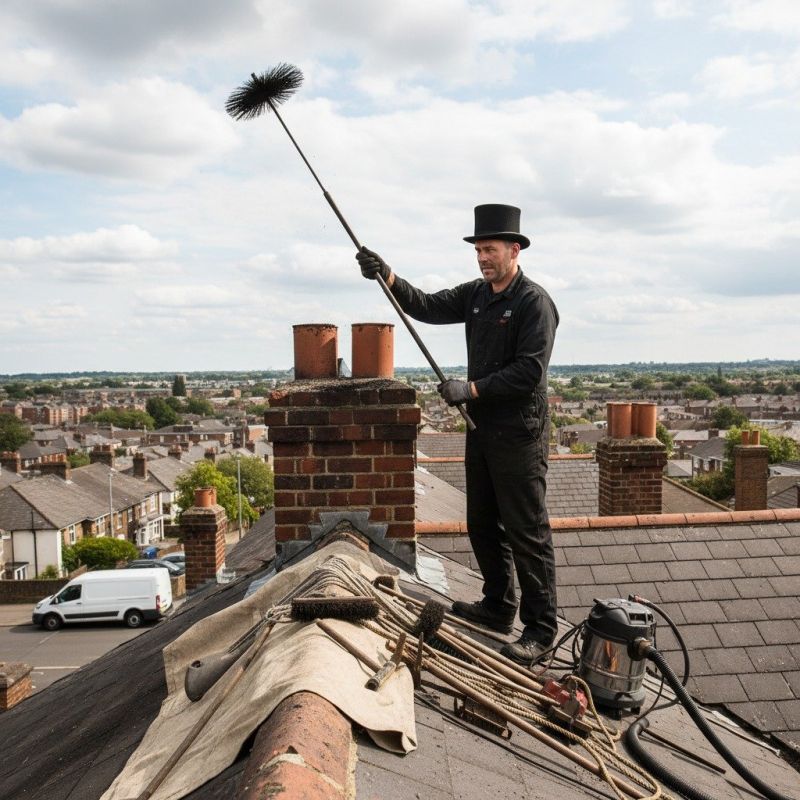
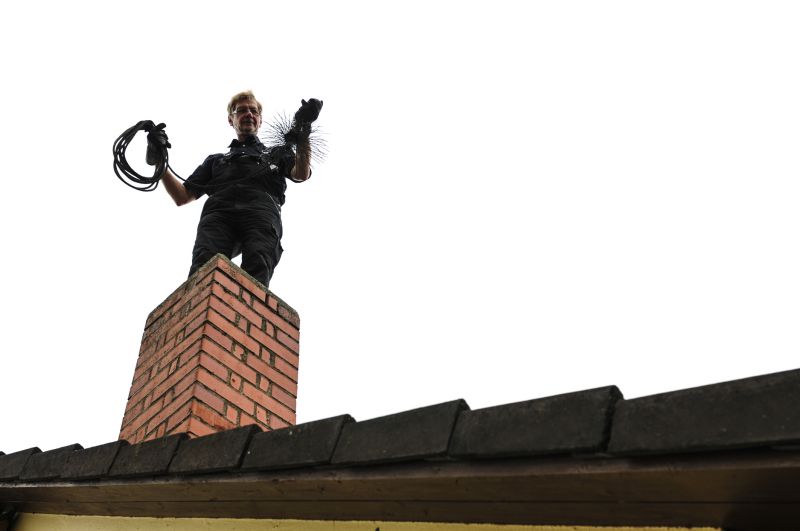
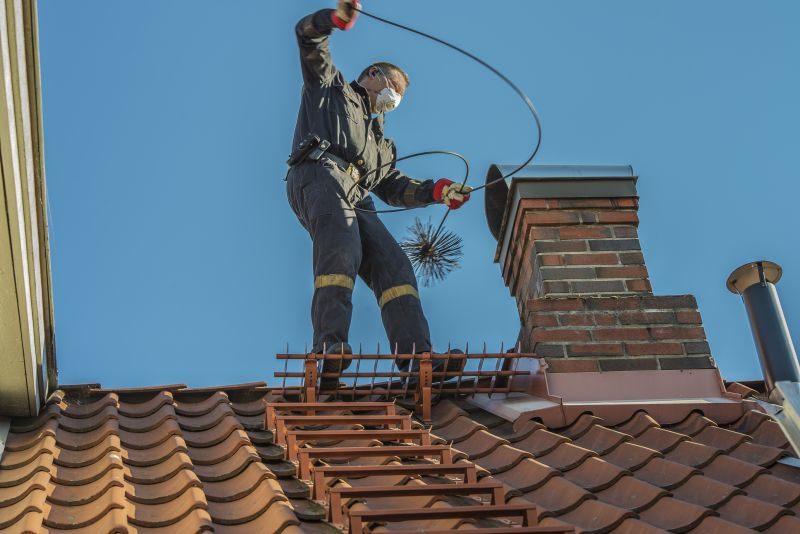
Chimney sweeping and fire safety explained often come up when homeowners are considering how to keep their properties safe and ensure their heating systems operate efficiently. Many people searching this topic want to understand the importance of regular chimney cleaning, especially if they use fireplaces, wood stoves, or other fuel-burning appliances. They may be concerned about the buildup of creosote, soot, or debris that can accumulate inside the chimney over time. This buildup not only reduces the efficiency of heating appliances but also poses a significant fire risk if left unaddressed. Understanding the basics of chimney maintenance and fire safety helps homeowners make informed decisions about scheduling professional services and maintaining a safe living environment.
This topic also relates to a variety of problems and planning considerations around home heating and safety. For example, homeowners might experience issues like smoke backing into the house, unpleasant odors, or difficulty starting a fire. These issues often signal the need for a thorough chimney inspection and cleaning. Additionally, many property owners plan routine maintenance to prevent dangerous blockages or deterioration that could lead to chimney fires or carbon monoxide leaks. By learning about fire safety in conjunction with chimney sweeping, homeowners can develop a proactive approach to home safety, ensuring that their heating systems function properly and reduce the risk of fire hazards.
The types of properties that typically come up in discussions about chimney sweeping and fire safety include single-family homes with fireplaces or wood-burning stoves, as well as larger residential buildings that have multiple chimneys or venting systems. Older homes are often more likely to require regular chimney maintenance because of their traditional heating setups and potential for outdated or deteriorating flues. Additionally, vacation cabins, historic properties, and newer homes with integrated fireplaces may also need professional chimney services to maintain safe operation. Local service providers are familiar with the unique needs of these different property types and can tailor their work accordingly to address specific safety concerns.
For homeowners exploring chimney sweeping and fire safety explained, connecting with experienced local contractors is an essential step. These professionals can perform detailed inspections, thorough cleaning, and necessary repairs to ensure that chimneys are free of hazardous buildup and functioning correctly. Proper maintenance helps prevent dangerous chimney fires and reduces the risk of harmful gases entering the living space. Since every property has unique characteristics, working with local experts ensures that the specific safety requirements of each home are met. This approach provides peace of mind, knowing that trained professionals are handling the critical tasks of keeping the chimney system safe and efficient.
Fireplace Installation - local contractors who install fireplaces often require knowledge of chimney systems and fire safety measures to ensure proper setup and operation.
Gas Line Services - professionals handling gas line installation and repair need to understand venting and safety protocols related to combustion appliances.
Home Inspection Services - inspectors assess chimney and venting systems as part of overall home safety evaluations, requiring similar planning and inspection skills.
Duct Cleaning - duct cleaning specialists utilize similar tools and techniques for cleaning and inspecting ventilation pathways to prevent fire hazards.
Fireplace Repair - repair technicians work with chimney components and fire safety features to restore proper function and safety of heating appliances.
Smoke and Carbon Monoxide Detector Installation - installers focus on safety device placement and wiring, complementing fire safety awareness related to chimney systems.
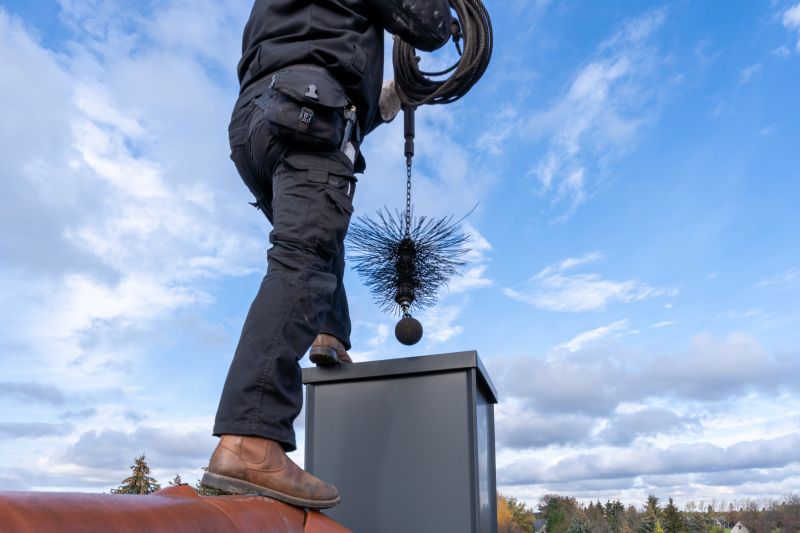
When comparing service providers for chimney sweeping and fire safety, it’s important to consider their experience with similar projects. Homeowners should inquire about how long a contractor has been performing chimney cleaning and fire safety inspections, as well as their familiarity with different types of chimneys and heating systems. A contractor with a solid track record of handling projects comparable to the homeowner’s needs can often provide more reliable and thorough service, ensuring that all aspects of fire safety are addressed effectively.
Clear written expectations are essential when evaluating local contractors. Homeowners should seek detailed descriptions of the services included, such as the scope of chimney cleaning, inspection procedures, and any additional safety checks. Having a clear understanding of what will be done helps prevent misunderstandings and ensures that all safety concerns are covered. It’s also helpful to ask for a written outline of the process so that expectations are aligned before work begins.
Reputable references and good communication are key indicators of trustworthy service providers. Homeowners can ask for references from previous clients who had similar work completed, providing insight into the contractor’s professionalism and quality of service. Additionally, responsive and transparent communication throughout the process can make a significant difference, allowing homeowners to ask questions, express concerns, and receive timely updates. Choosing a contractor who demonstrates clear communication and has positive references can contribute to a smoother experience and more confidence in the safety and effectiveness of the chimney sweeping and fire safety services performed.
Property owners often search for chimney sweeping and fire safety explained when they are planning practical projects around their homes and businesses. Local pros provide Chimney Sweeping services for everyday jobs and straightforward project options.
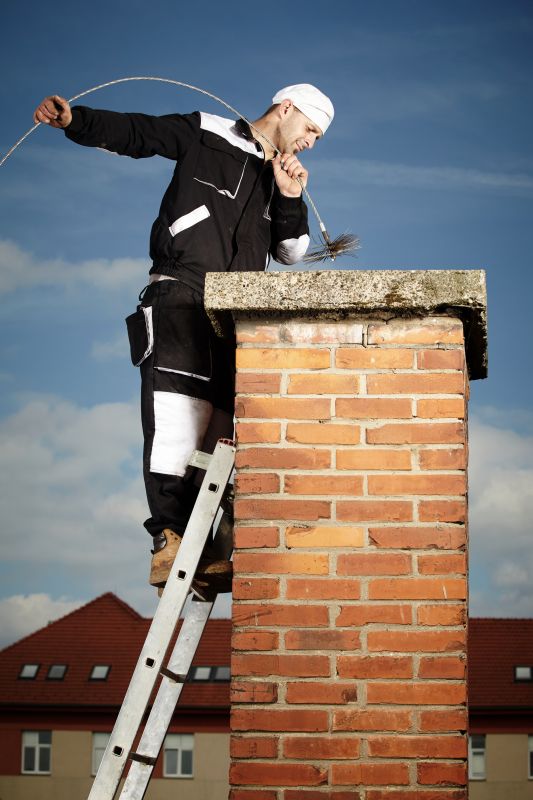
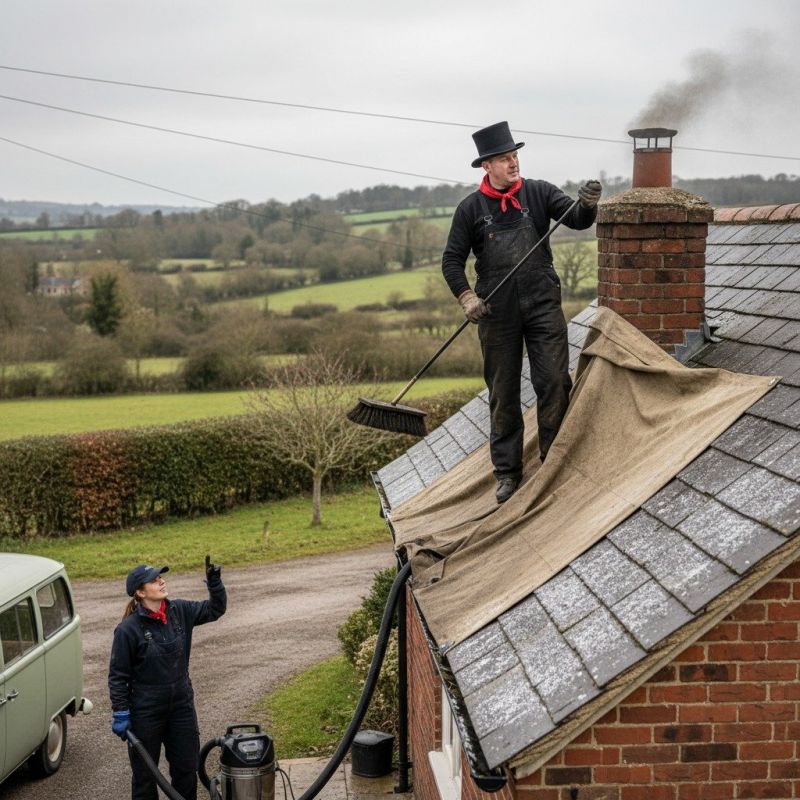
Chimney sweeping and fire safety explained is a common concern for property owners who rely on fireplaces, wood stoves, or other heating appliances. Regularly scheduled chimney cleaning helps remove built-up creosote, soot, and debris that can accumulate over time, reducing the risk of dangerous chimney fires. Many property owners in the area seek out local contractors to ensure their chimneys are properly maintained, especially before the colder months when heating usage increases. Understanding the importance of chimney sweeping can help homeowners and business owners prevent potential hazards and keep their spaces safe.
For those considering chimney sweeping services, local contractors offer practical solutions to maintain safe and efficient heating systems. These service providers are experienced in assessing chimney conditions, performing thorough cleanings, and offering advice on fire safety best practices. Choosing a trusted local pro can help property owners stay proactive about fire prevention and ensure their chimneys meet safety standards. Comparing available options can make it easier to find a professional who can handle the job effectively and provide peace of mind during the heating season.
What is chimney sweeping and why is it important for fire safety? Chimney sweeping involves removing soot, creosote, and debris from chimney interiors, which helps prevent chimney fires and ensures proper venting of smoke and gases, enhancing overall fire safety.
How do chimney sweeping services contribute to fire safety? Professional chimney sweeping reduces the buildup of flammable materials inside the chimney, decreasing the risk of chimney fires and ensuring that appliances operate safely and efficiently.
What are common signs that indicate the need for chimney cleaning? Signs include unpleasant odors, smoke backing into the home, reduced draft, or visible soot and creosote buildup, which local service providers can assess during a chimney inspection.
Can chimney sweeping help prevent dangerous chimney fires? Yes, regular chimney sweeping removes creosote and other combustible deposits, significantly lowering the risk of chimney fires caused by buildup igniting.
What fire safety measures should be considered alongside chimney sweeping? In addition to regular cleaning by service providers, installing smoke and carbon monoxide detectors, and following safe burning practices, contribute to comprehensive fire safety at home.
Schedule regular chimney sweeping to remove creosote buildup and reduce fire risks, ensuring local contractors handle the cleaning safely.
Install fire-resistant barriers around the fireplace area as part of fire safety planning, with guidance from experienced service providers.
Conduct a fire safety assessment with local pros to identify potential hazards related to chimney and fireplace use in the home.
Educate household members about safe fireplace operation and chimney maintenance practices to prevent accidental fires.
If you are thinking about chimney sweeping and fire safety explained for a property, this guide is meant to help you understand this topic, the typical project types, and how different options might fit your plans.
When you are ready, you can use the quote form on this page to share a few details about your project. From there, local pros can review the basics and follow up with options that match what you have in mind.