How Often Chimneys Should Be Inspected And Cleaned
To ensure safety and efficiency, local contractors can assess how often chimneys should be inspected and cleaned based on your usage and condition.
Many property owners in the area realize that maintaining a safe and efficient fireplace or stove involves regular inspections and cleanings of the chimney. Understanding how often chimneys should be inspected and cleaned can help prevent potential fire hazards, improve overall performance, and ensure compliance with safety standards. If you're unsure about the best schedule for your property, you're in the right place to find practical guidance and connect with experienced local contractors who specialize in chimney inspection and cleaning services.
Exploring this topic is especially relevant for those living in regions with seasonal use or high levels of fireplace activity, where buildup of creosote and debris can occur more quickly. Regular inspections help identify issues early, saving time and effort in the long run. Keep reading to learn more about recommended maintenance intervals and how trusted local service providers can assist in keeping your chimney safe and functional.
- Chimney Inspection and Cleaning - homeowners with frequent fireplace use may need regular inspections to ensure safety and efficiency, with local contractors providing thorough assessments and cleaning.
- Chimney Inspection and Cleaning - after a chimney fire or notice of smoke backup, local service providers can perform detailed inspections and necessary cleanings to address potential hazards.
- Chimney Inspection and Cleaning - during annual home maintenance routines, local pros can evaluate chimneys for creosote buildup and structural issues, offering cleaning services as needed.
- Chimney Inspection and Cleaning - if a chimney has not been inspected in over a year, local contractors can help determine the appropriate cleaning schedule based on usage and condition.
- Chimney Inspection and Cleaning - homeowners planning to use their fireplace seasonally or infrequently should consult local pros to establish a suitable inspection and cleaning routine.
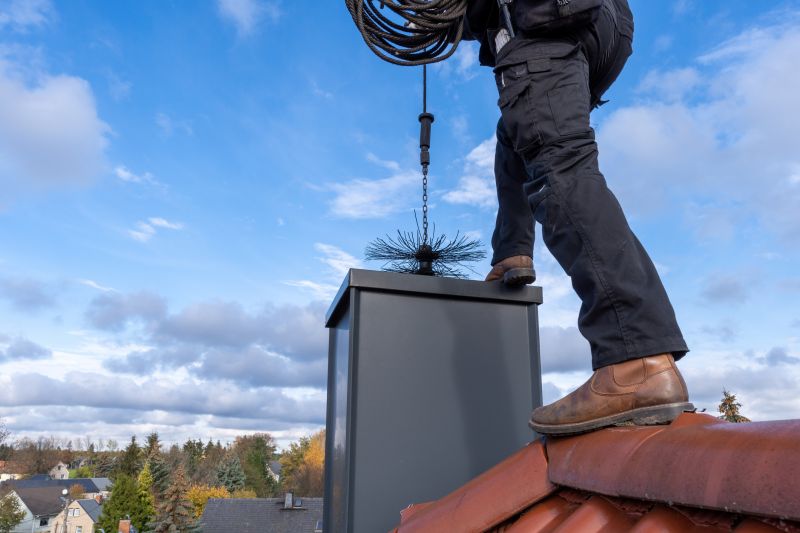
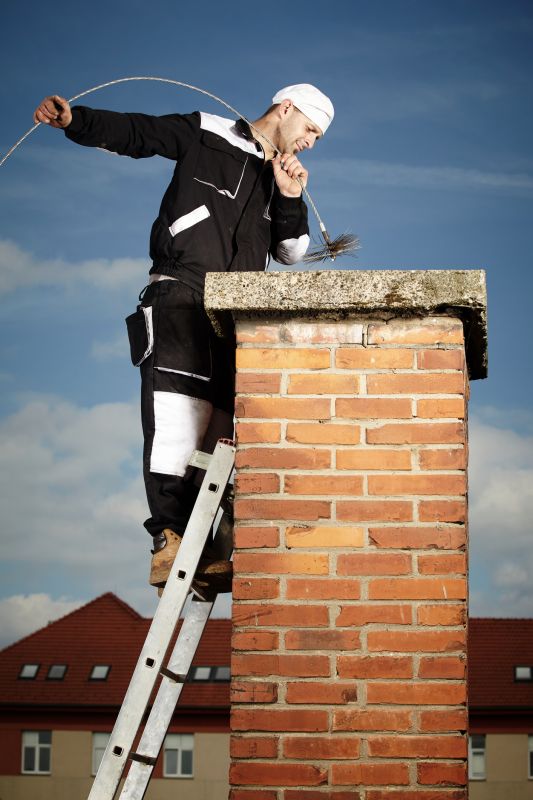
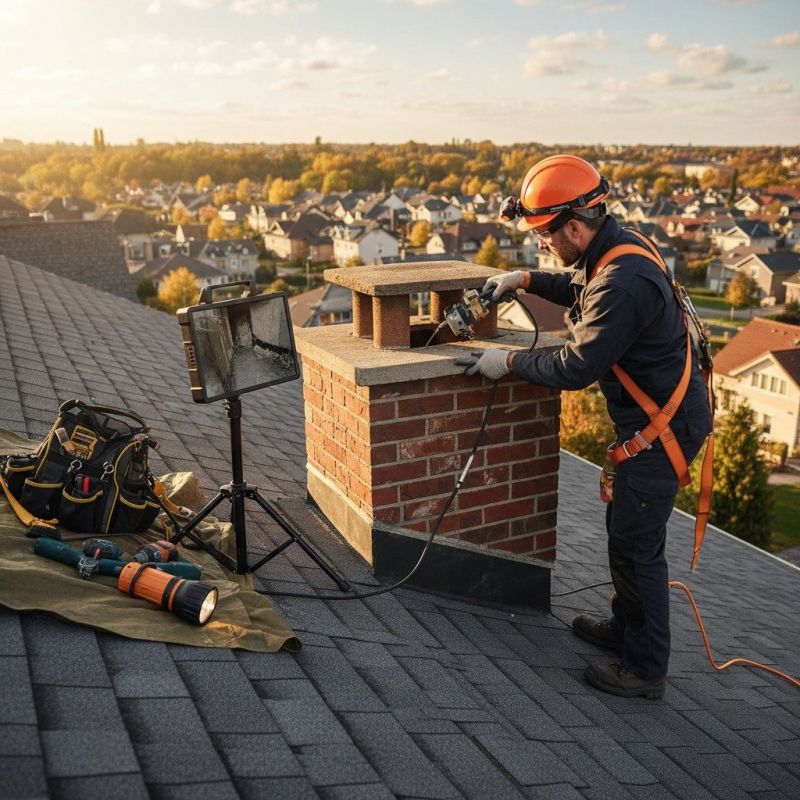
When homeowners search for information about how often chimneys should be inspected and cleaned, they are typically trying to determine the proper maintenance schedule to ensure safe and efficient fireplace or stove operation. This inquiry often arises when preparing for the upcoming heating season, after noticing signs of smoke or odors, or following a recent fire or chimney issue. The goal is to prevent problems such as creosote buildup, blockages, or structural damage that can compromise safety and performance. Understanding the recommended frequency helps homeowners plan routine inspections and cleanings, which are essential steps in maintaining a functional and hazard-free chimney system.
The need for regular chimney inspections and cleanings relates closely to common problems that can develop over time. For example, creosote deposits can accumulate during use, increasing the risk of chimney fires if not removed regularly. Blockages caused by debris, nests, or buildup of soot can restrict airflow and cause smoke to back up into the home. Additionally, structural issues like cracked flues or damaged chimney liners may go unnoticed without proper inspections, leading to more costly repairs or safety hazards. Homeowners often consider these factors when planning maintenance, especially if they use their fireplaces frequently or have experienced issues in the past.
The frequency of chimney inspections and cleanings varies depending on the property type and usage habits. For residential homes with wood-burning fireplaces or stoves, it is generally recommended to have a professional inspection at least once a year, ideally before the heating season begins. Homes with less frequent use or alternative heating appliances might require less frequent inspections, but annual checks are still advisable to catch potential problems early. Properties such as multi-family buildings, historic homes, or those with unusual chimney configurations may need more frequent assessments. Local contractors who specialize in chimney services can evaluate individual circumstances and provide tailored recommendations based on the property's specific needs and usage patterns.
Connecting with local chimney inspection and cleaning service providers is a practical step for homeowners seeking to maintain their chimney systems properly. These professionals can perform thorough inspections to identify potential issues and perform necessary cleanings to reduce fire risks and improve efficiency. By scheduling regular maintenance with experienced local contractors, homeowners can ensure their chimneys remain in good condition and are safe to use. Whether preparing for winter or addressing ongoing concerns, working with nearby specialists helps keep the chimney system functioning properly and provides peace of mind that the property’s heating setup is well-maintained and safe for everyday use.
Chimney Repair Projects - These projects require careful planning and specialized tools similar to those used in chimney inspection and cleaning to ensure safety and proper function.
Fireplace Installation Services - Installing fireplaces involves understanding venting systems and safety standards, which aligns with the skills used in chimney maintenance.
Flue and Ventilation System Upgrades - Upgrading venting systems demands knowledge of airflow and safety protocols, paralleling the expertise needed for chimney inspections.
Masonry Restoration Projects - Restoring masonry structures involves similar planning and craftsmanship as maintaining chimney structures for optimal performance.
Home Safety Inspections - These inspections assess potential hazards related to chimneys and fireplaces, requiring similar attention to detail and safety considerations.
Gas Fireplace Servicing - Servicing gas fireplaces involves understanding venting and combustion safety, which overlaps with the skills used in chimney cleaning services.
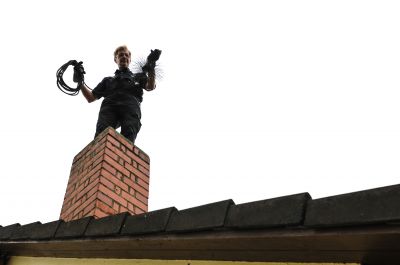
When comparing local contractors for chimney inspection and cleaning services, it is important to consider their experience with similar projects. Contractors who have a history of handling chimney inspections and cleanings regularly are more likely to understand the nuances of different chimney types, common issues, and best practices for maintaining safety and efficiency. Asking about their experience can help ensure that they are familiar with the specific requirements related to how often chimneys should be inspected and cleaned, which can vary based on factors like usage, chimney type, and age.
Clear written expectations are essential when evaluating service providers. Reputable local contractors should be able to provide detailed descriptions of what their inspection and cleaning services include, as well as recommendations tailored to the homeowner’s specific situation. This clarity helps establish a mutual understanding of what will be done, how often inspections should occur, and what signs might indicate the need for more frequent cleanings. Having this information in writing can prevent misunderstandings and ensure that the homeowner receives consistent, thorough service aligned with best practices.
Reputable references and effective communication are key indicators of a trustworthy contractor. Service providers who can offer references from previous clients or examples of similar projects demonstrate reliability and a track record of quality work. Good communication-whether through prompt responses to inquiries or clear explanations of findings and recommendations-helps homeowners feel confident in the service they are receiving. When comparing local pros, choosing those who prioritize transparent communication and have positive references can contribute to a smoother process and better outcomes for maintaining a safe and properly functioning chimney system.
Property owners often search for how often chimneys should be inspected and cleaned when they are planning practical projects around their homes and businesses. Local pros provide Chimney Inspection and Cleaning services for everyday jobs and straightforward project options.
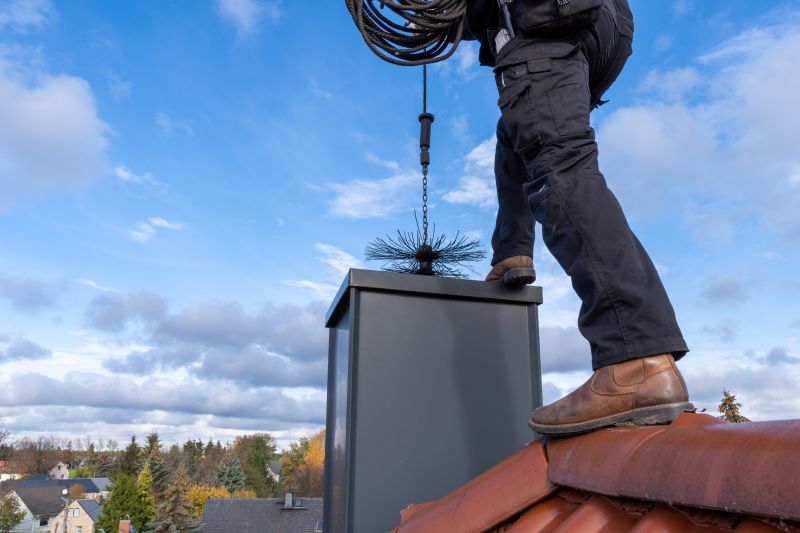
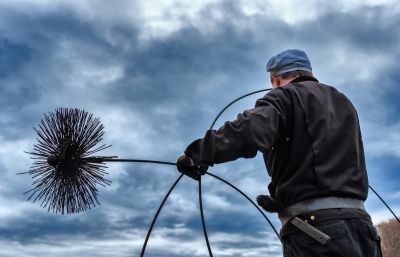
Many property owners in the area wonder how often chimneys should be inspected and cleaned to ensure safe and efficient operation. For homes that are used regularly during colder months, it’s generally recommended to have a chimney inspected at least once a year. This helps identify any buildup of creosote, blockages, or damage that could pose safety risks or reduce the fireplace’s effectiveness. Local contractors offering chimney inspection and cleaning services can provide professional assessments to determine if more frequent visits are necessary, especially if there are signs of issues or if the home experiences heavy use.
Homeowners with older chimneys or those who use their fireplaces infrequently might still benefit from routine inspections to catch potential problems early. Regular cleaning can prevent dangerous creosote buildup and reduce the risk of chimney fires. Many service providers in the area are prepared to handle inspections and cleanings tailored to the specific needs of each property, helping owners maintain their chimneys in good condition and ensuring safe operation throughout the year.
How often should chimneys be inspected? Chimney inspections are generally recommended at least once a year to ensure safety and proper functioning, especially if the chimney is used frequently or has experienced weather-related issues.
How often should chimneys be cleaned? Most experts suggest cleaning chimneys annually, but the frequency may increase if the fireplace is used heavily or if creosote buildup is observed during inspections.
Can I wait longer between inspections and cleanings? Delaying inspections and cleanings can increase the risk of fire hazards or system failures; local contractors recommend adhering to annual inspections to maintain safety.
What factors influence how often a chimney should be cleaned? Usage frequency, type of fuel burned, and the presence of obstructions or creosote buildup are key factors that determine how often a chimney should be inspected and cleaned.
How do local service providers determine the right inspection schedule? They assess the chimney’s condition, usage patterns, and any visible issues during inspections to recommend an appropriate cleaning and inspection schedule tailored to each home.
Regular Inspection Schedule - property owners can plan to have their chimneys inspected annually to ensure safety and proper functioning, especially before heavy use seasons.
Cleaning Frequency Tips - understanding how often chimneys should be inspected and cleaned helps property owners schedule maintenance with local contractors to prevent buildup and fire hazards.
Seasonal Use Considerations - after periods of heavy or infrequent use, property owners might consult local service providers to determine if additional inspections or cleanings are needed.
Identifying Warning Signs - recognizing signs like smoke odors or poor draft can prompt property owners to seek inspection and cleaning services from local contractors to address issues early.
If you are thinking about how often chimneys should be inspected and cleaned for a property, this guide is meant to help you understand this topic, the typical project types, and how different options might fit your plans.
When you are ready, you can use the quote form on this page to share a few details about your project. From there, local pros can review the basics and follow up with options that match what you have in mind.